

* * * On the Internet * * *
December 2012–Volume 16, Number 3
Nassira Houat
Mohammed the First University, Oujda, Morocco
houanas hotmail.com
Abstract
This article analyzes various aspects of the appropriation of technology by students in a master’s program in didactic and educational technology at Mohammed the First University Faculty of Letters, Oujda, Morocco. The students belong to both the English and French departments and are trained to be language teachers who will use educational technology in teaching their language courses.
The study explores the extent to which a blended course implemented using a wiki for a collaborative writing project in the Claroline LMS environment can be considered as a precursor of pedagogical innovation in our faculty. Furthermore, the study seeks to show how platform tools such as wikis and forums can facilitate collaboration, improve autonomy, and develop a sense of classroom community. Two kinds of studies and platform data, as well as platform statistics, showed a positive perception and satisfaction from the students towards this innovative pedagogical environment.
Introduction
The project was developed for the DET (Didactic and Educational Technology) master’s program in 2008 by a research group called LIMTEC (Language, Imaginary and Technological Mediation) to which the author belongs. The courses are delivered in a blended mode in an LMS environment called Claroline. The program aims to provide master’s students with new skills, both technical and conceptual, to enhance their knowledge of pedagogy and educational technology in general. In a four-semester program, the first three semesters consist of coursework and the last semester involves a project to conceive and design a distance learning course, which served as the focus of this study.
Course objectives and design
The final semester of the course involves collaborating on a writing project, a hyperlinked wiki document on the module “History of Distance Learning“. We have never found a suitably coherent academic reference or textbook dealing with the history of distance learning. Since most master’s students’ activities are based on classroom presentations and written dissertations, I thought that it would be a good idea if my students could construct their textbook themselves since most of them are high school teachers of languages. Therefore, the co-construction of that written document in the wiki space by all the students in something other than their first language seemed especially appropriate.
To achieve this, the students were divided into eight groups, each consisting of four or five students. Each group was instructed to collaborate on a weekly basis to construct a writing text about one of the several chapters of the required document about the history of distance learning. Each group member was expected to participate by creating and editing associated wiki pages and expand on contributions to the responses provided by group peers.
The course was designed to help students reach an understanding and articulation of:
- Content – regarding the evolution of distance learning and assimilation of its pedagogical theories and concepts
- Form and skills – introducing students to academic writing and collaboration skills
- Technology – inherent in the wiki and forum tools
- Cognition – students conceptualize what they learn through mind-mapping and visualization
- Multimedia – where PowerPoint presentations can be extended to YouTube video presentations through movie-maker software
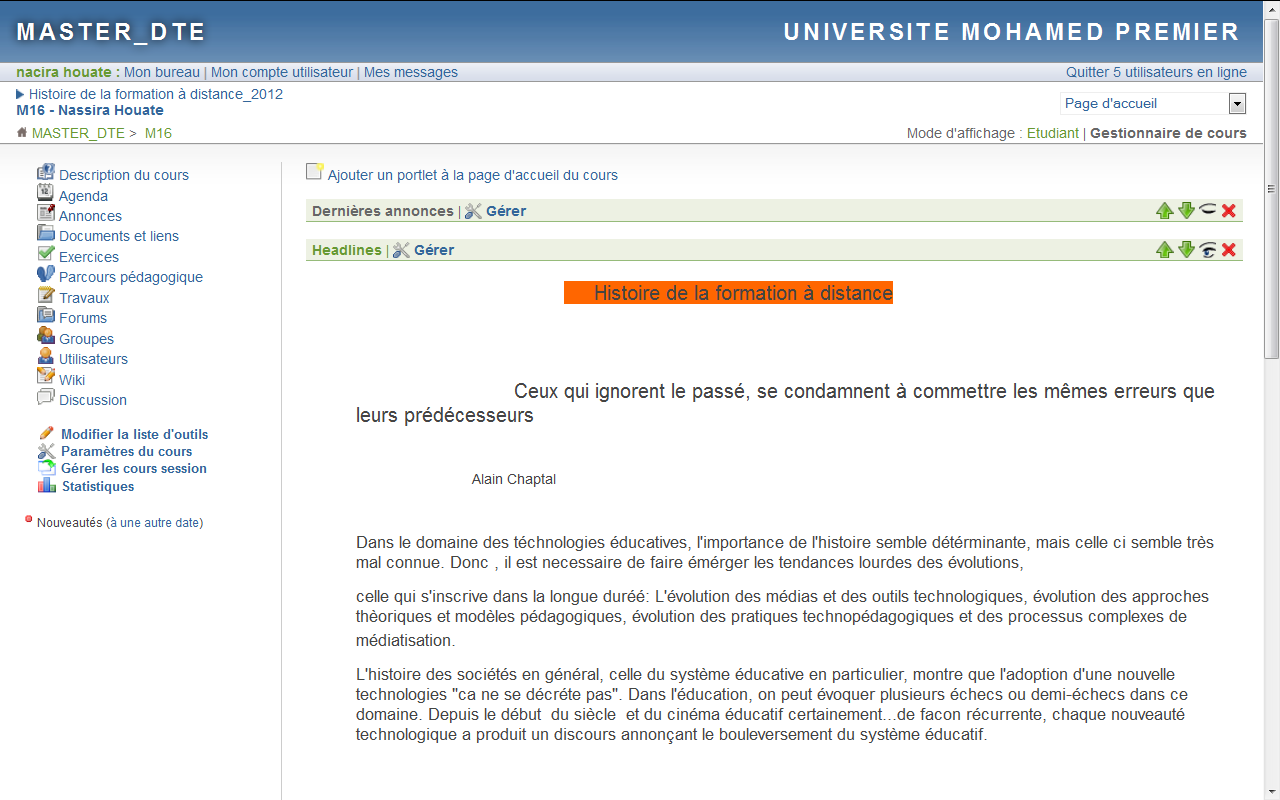
Figure 1. The interface of the course in the Claroline platform
The course was designed to encompass five distinct phases.
Phase one: Preparatory
The preparatory phase was designed to accustom the students to their new work environment. This entailed classification of the wiki learning domain, identification of the content of each wiki page by the teacher, assignment of individual task and group task, opening a topic for discussion in the forum space (the topic is related to content), and finally, determining the assessment and evaluation measures for the course.
Phase two: Individual tasks
The teacher proposed many famous educational theoreticians and each student chose one to research and write about. Each student made a classroom PowerPoint presentation and wrote a summary in a single wiki page on the famous educational theoretician. Individual contributions were tracked through the use of the version history feature for the wiki main page. Then the students combined their text with multimedia materials such as images, photos, or video. Finally, students were asked to incorporate a mind-map and a glossary for that famous theoretician ‘s pedagogical concepts.
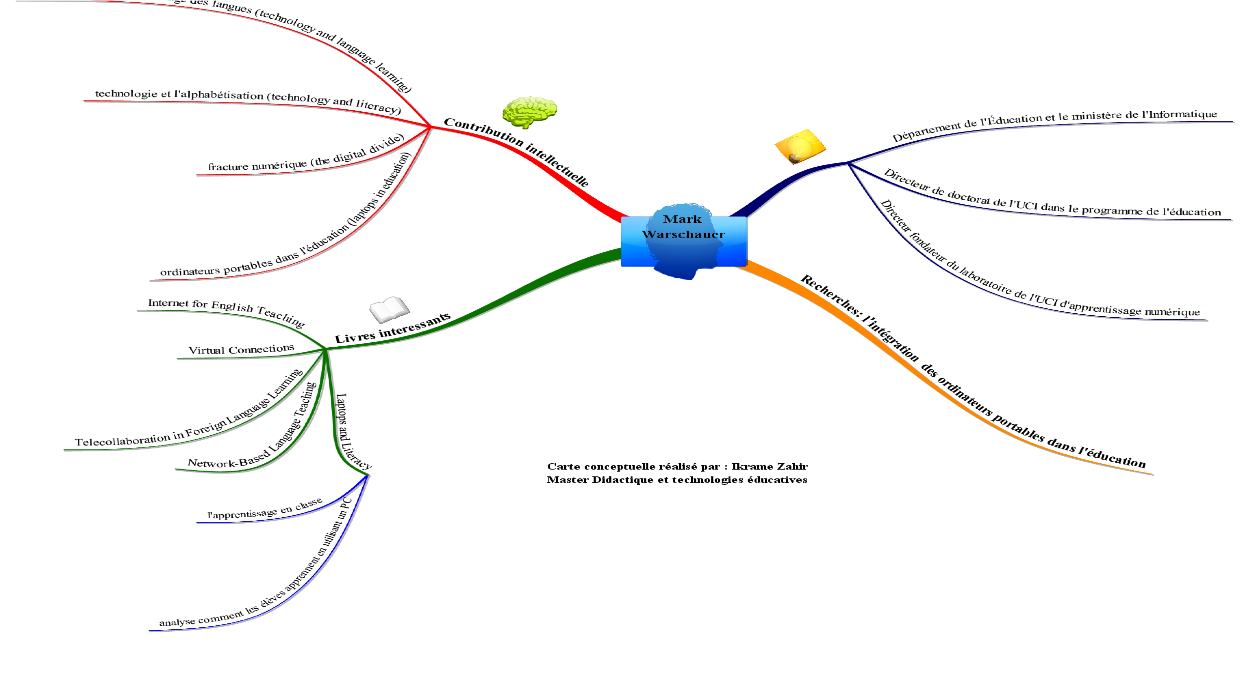
Figure 2. Mind-map of Mark Warschauer’s work presented by one of the students
Phase three: Shift from individual task to group task
In this phase the teacher divided the wiki from its single-page whole by splitting the content into a number of hyper-linked wiki pages. The following figure shows how the content was split.
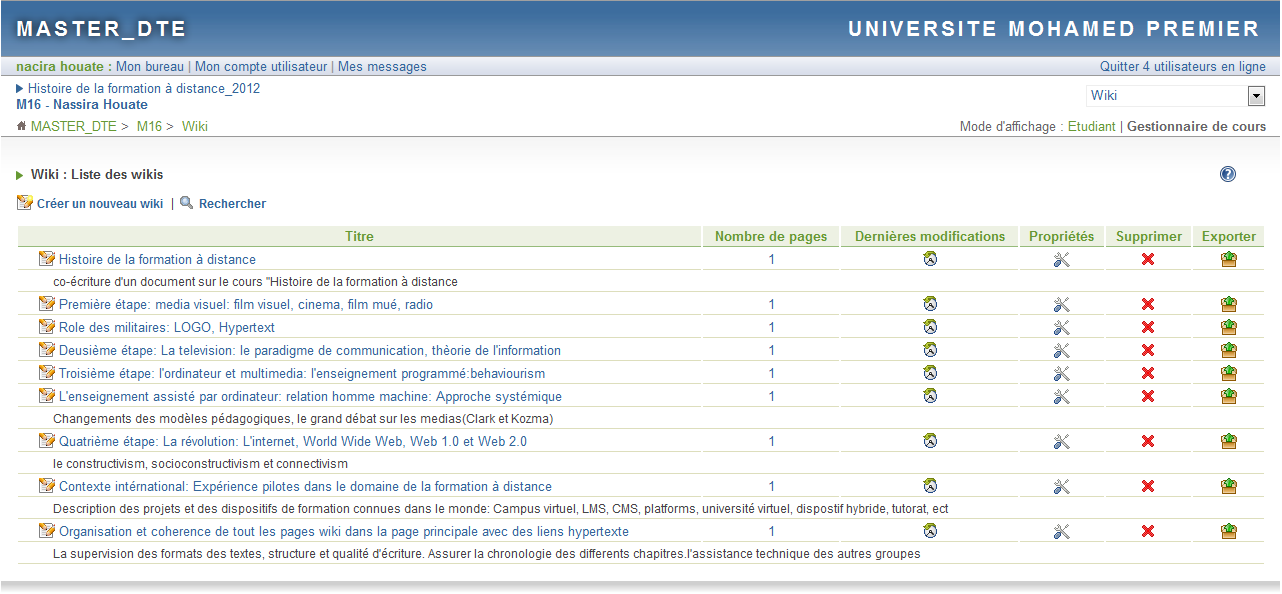
Figure 3. List of all wiki texts
When the content was split, each chapter was divided into subchapters. For example, in chapter I, the first stage Audio-Visual Media was split into various sub-chapters; for example, visual film, silent film, radio and film with accompanying audio.
The shift to group task signaled the beginning of the collaborative writing activity in the wiki space, where the teacher started to manage the groups. The architecture of the course required the teacher to assign roles to students such as, tutor, coordinator, technician, supervisor, and final editor. The latter would be responsible for reviewing the group response for accuracy of texts, citations, and insuring the integrity of the whole text structure and group cohesion.
The main page of the LMS wiki now displayed all the document’s chapters with links to the detailed texts as well as links to different associated tools like the mind-map, glossary, photos and videos.
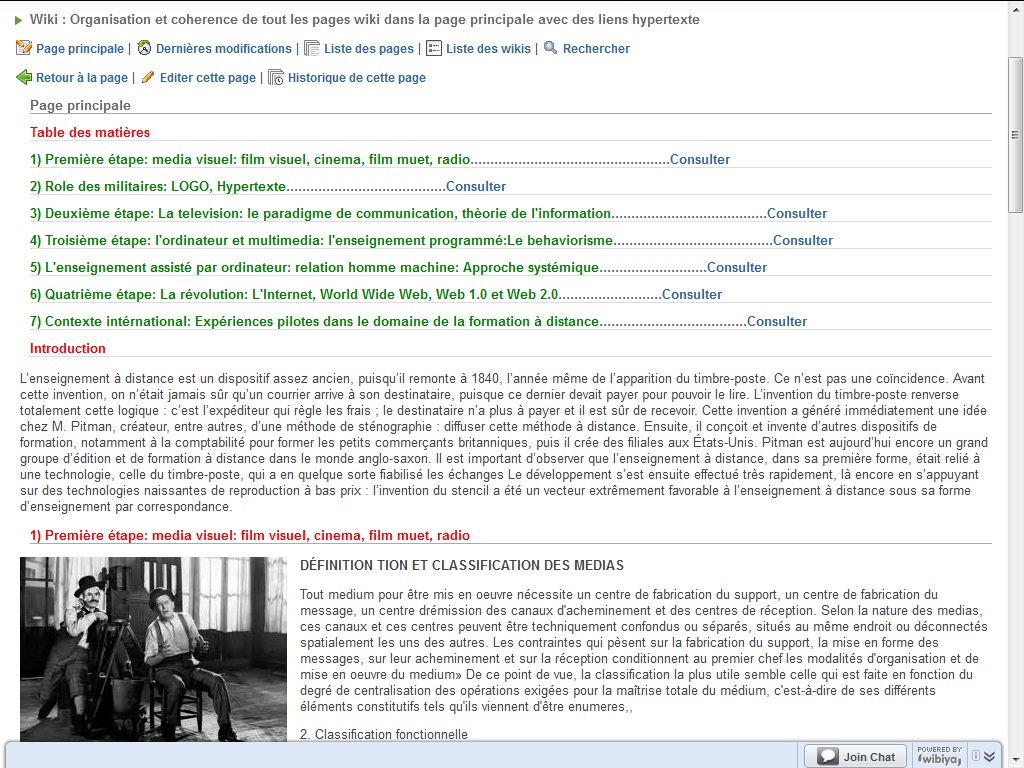
Figure 4. Phase three view of the main page
Of paramount importance is that all student participants could access other group pages from links on the main page of the wiki. Hence they could compare their texts with those of the others, and re-assess their own work with respect to that of the others.
Phase four: Deriving collective intelligence through consensus
This phase represents the final phase of the written collaborative wiki project where all groups manifest a collective responsibility through reaching a consensus decision regarding the final version of the course document. Students had to check text coherence and cohesion, language, structure, format, titles, mind-mapping, glossary, and references. This is an essential element of collaborative approach: constructing a collective intelligence and building a spirit of classroom community.
You can find a sample of the final version of the wiki document at this link: http://www.mediafire.com/view/?dlbcnyk17li7i1w.
Phase five: Expansion into multimedia
Phase five was to extend the wiki collaborative written document from a written text to a multimedia video version. Thus the wiki document course could be transformed into slides uploaded to YouTube video with the incorporation of music.
You can download the video here: http://www.mediafire.com/?vt1wwvhvtmuaode.
Basic concepts
Here, we define the most important concepts and terms in order to make a clear understanding of the development of this study:
Classroom community is the “mutual interdependence among members, sense of belonging, connectedness, spirit, trust, interactivity, common expectations, shared values and goals, and overlapping histories among members” (Rovai, 2002a, p. 4). Courses designed with social constructivist principles encourage student–to-student interactions which may lead to classroom community development in online course contexts (Rovai, 2001a; 2002b). Furthermore, Garrison (2008) and Rovai (2000) assert that the level of authoritarianism by students influences the openness and safety perceived in interactions by students, thus enhancing social presence and social equality in classroom community.
Small group activities are an essential factor in the development of classroom community, and necessarily include an equitable level of responsibility among members. On this point and concerning the structure of groups for developing classroom community, Rovai (2002a) suggested that small groups include no more than 6 students per group and be designed to improve individual learning through specific structured tasks in which students can develop connections.
Rovai (2001 b) identified the sense of connectedness through four subscales of classroom community: spirit, trust, interaction, and goals in learning. Rovai (2002 b) says that the sense of connectedness is a valid dimension in measuring the sense of classroom community, because it indicates feeling of membership, friendliness, group cohesion and enjoyment, and all these elements are essential for classroom community (Rovai, 2002a).
Community of practice characterizes how members of a community built around a common domain impact and interact with one another. Community of practice suggests that there is interaction directed towards professional development and shared transformative learning. Among the main characteristics of community of practice are: support, affinity, relational identity, and creation of innovative ideas such as thinking together, readiness to innovate to accept technological change and to build effective pedagogic connections, sharing content, sharing resources, and sharing tasks and objectives.
Course tools
The course was mounted in the Claroline LMS (learning management system). The Claroline platform with its forum, glossary, and other tools helped my students to accomplish the project in an organized and structured way. Student interaction was especially augmented by two tools used in conjunction with Claroline, wiki and forum.
Claroline
Claroline is an open source Web-based course management system. It allows teachers to create and administer course websites through a browser. Claroline was initially developed to promote pedagogical innovation at the Catholic University of Louvain (UCL) in Belgium. It is mostly used in blended configuration, mixing traditional courses with use of online technological tools. It is available in 24 languages (Docq, Lebrun, & Smidts, 2007).
The Claroline platform tools can be divided in four categories:
- Transmissive–complement traditional lectures, for example, announcements, documents, and links
- Collaborative and communication–forums, wiki, MSN, Skype
- Activity and production tools–assignments and task spaces
- Management tools–agenda, statistics, and users lists
Forum
Participants were encouraged to communicate with each other in the group forum pages by leaving comments. Since the LMS wiki format did not include discussion or talk pages, the forum played an important role in supporting the wiki project. The topics that were in the forum were initiated by students and covered many diverse topics and concepts that were closely related to the main topic of the course and also related to the expansion of the wiki project in general. Additionally, groups used group forums to organize the writing of their own chapters, exchange resources, share information, and also raise questions and overcome difficulties with the help of other members of the group. The teacher communicated with participants on the forum pages offering guidance on areas for expansion, utilization of resources, and encouragement.
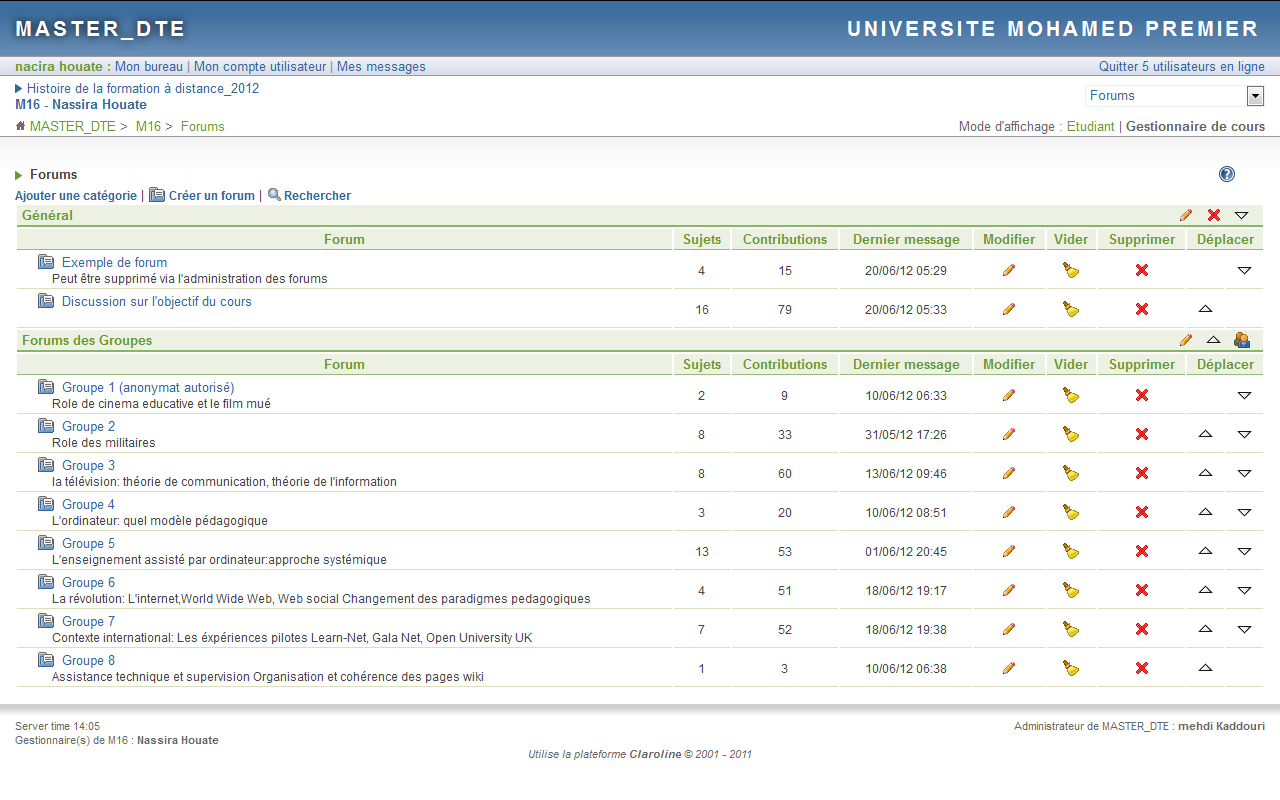
Figure 5. A page of the forum, divided into general and group forums
Wikis
Wikis are a second-generation Web 2.0 learning technology. According to Robertson,“[T]he Web 2.0 features of wikis support communication, collaboration, and knowledge building, which are consistent with constructivist principles [and] increasingly evident in education” (2008, p. 425). Wikis have unique features and affordances useful in instructional design for online learning. Inherent features of wikis include rapid social authoring and hyperlinks and editing with page histories allowing for comparisons of individual page edit. Wikis allow for knowledge sharing, collective responsibility, and collaborative writing. It is the duty of the teacher to choose the tools that can respond to the pedagogical requirements of the course, as I have tried to show in the following diagram.
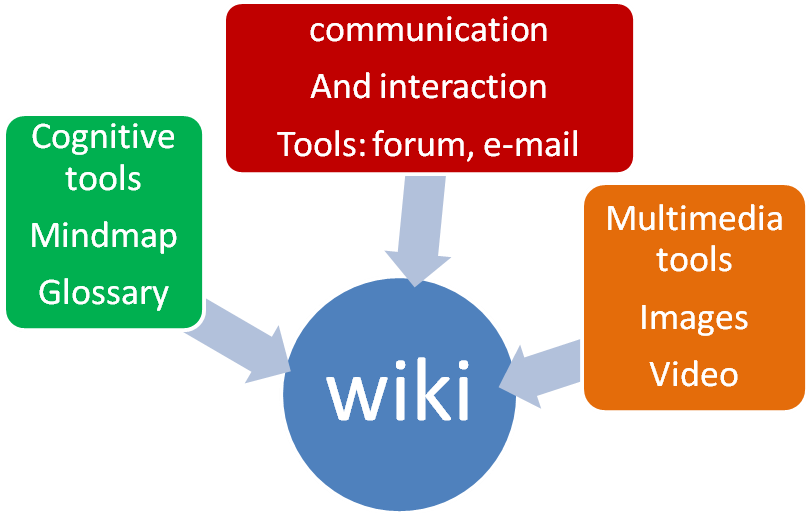
Figure 6. Tools supporting the wiki project
The writing strategies of the collaborative activities were:
- Sequential writing–occurred during the individual phase where each student worked on his or her own page and wrote a summary about a famous pedagogical theoretician
- Parallel writing–occurred during the phase where each group worked on its collaborative document
- Reactive writing–one group chosen by the teacher on the basis of its competence was tasked with coordinating and supervising the process of writing overall
- Collective consensus–All groups contributed to a consensus on the final version of the document
Study of interactivity and classroom community
I conducted action research basing my investigation on two kinds of studies. One was a study of the degree of interactivity among participants and the other a study of classroom community.
Participants
Participants were the twenty students who completed the blended course in Claroline in April though July 2012 in which the wiki and forum were utilized as the primary media of the collaborative project.
The preliminary questionnaire collected basic demographic information about participants including gender and age range. This showed a predominance of females, 63.3% vs. 36.6% male participants. Age varied between 23 to 50 years old; 10 students were between 24 and 36 years old, and the other 10 were between 36 and 50 years old.
The survey instrument also collected data about participants’ prior use of LMS platform and wiki before the course under study. All participants responded no, they had not used an LMS platform or wiki previously. Furthermore, half the participants were teachers and half just students. They also reported that their motive for choosing the course was that it was new and it would respond to their area of interest since most of them were teachers of both French and English languages.
Study 1: Degree of interactivity among participants
Classroom satisfaction with the course and positive perception for the new experience were significantly and positively associated with the high degree of interactivity that is shown from statistics recorded by the platform.
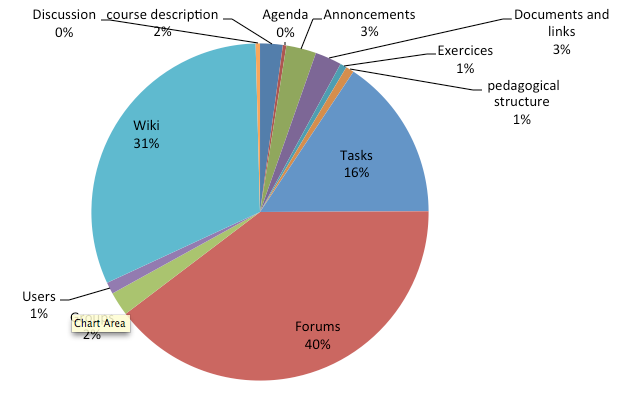
Figure 7. Pie chart showing percentage of clicks per task
Table 1. Degree of student connection within the different platform tools
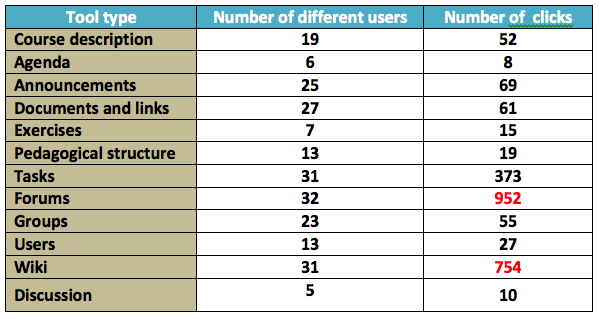
The data show high levels of interaction in forum (952 clicks is 40% of all clicks) and wiki (754 clicks or 31% of all clicks). Therefore these were the most popular aspects of the participants’ online teaching and learning, comprising almost three-quarters of all clicks during use of Claroline.
Study 2: Classroom community
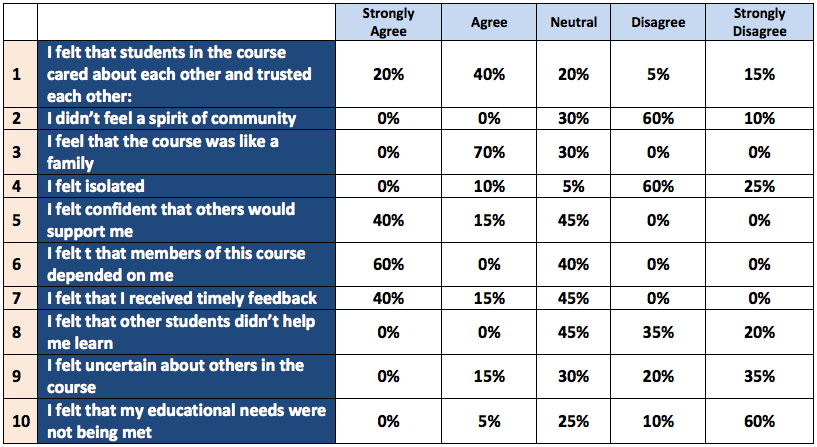
As stated above, the Sense of Connectedness subscale of classroom community represents participants feelings about “cohesion, spirit, trust and sharing” with other participants in a course (as developed by Rovai, 2001b, 2002a, 2002b). This subscale contains ten questions scored by participants on a 5-point Likert scale, as shown in the table below.
Table 2. Results of survey on Sense of Connectedness subscale
Data on classroom community were gleaned from two sources. One was the participants’ reflective reports and the other was from the Sense of Connectedness subscale. The original surveys, reflective reports, and other statistics and data can be accessed from this URL in the Claroline platform: http://www.e-mediaweb.net/claroline1106/.
There was some consistency in responses to Sense of Connectedness subscale. This consistency suggests that the students were meaningfully engaged in their collaborative activity. Most felt connected to others in the course, not isolated, and confident in working collaboratively with the group, creating new ideas, or presenting resources and sharing them with the members of the group.
All of this suggests an emergence of a spirit of community. The essential thing is that 70% of them didn’t feel isolated in the course and strongly agreed that their educational and scaffolding needs during the wiki and forum collaboration were being met.
However, one inconsistency is apparent in question N 6, ”I felt that members of this course depended on me.” Participants had differing feelings about their relationship with fellow participants in the wiki activity with regard to the equity of division of roles and tasks between the members of groups. Apparently the question of dependency on other members of the group as we have seen in the above survey, lead to some tension and group conflict, as when one of my students wrote: “Sometimes we do not feel in comfort with other members of the group, we should be free to choose ourselves the members that we like. Because one member of a group didn’t work like the others but he can get the same grade as we did, how to resolve that problem?“ [sic].
Discussion
The results of the two kinds of studies and the reflective reports of my students reveal that they perceived this course as a valuable experience and that this attitude was perceptible both in their acquaintance with the new platform tools, in pedagogy used, and in their collaboration, group building, and interaction with their colleagues. Their reflections suggest that with the wiki there was time and energy gain and collective responsibility (to be documented more fully in the author’s dissertation, forthcoming – Ed.). The hyperlinks to one another in the wiki helped them to see each other’s contributions and to self-assess and reflect on their own understanding. Moreover these tools helped them to build an archive of resources collectively.
Additionally, when a wiki and forum are used for collaboration in a hybrid context, a medium to high level of classroom community develops. Some research suggests that the development of community in the classroom is a significant predictor of course satisfaction: the greater the sense of community developed in a hybrid course the higher the rate of course completion and satisfaction (Rovai, 2002b).
Finally, as a teacher in a so-called developing country, and despite the many difficulties that I have encountered in this innovative experience, I feel that the Claroline platform has exciting potential for the teacher. Owing to the traditionally transmissive system that still exists in our faculty, I can say that this new blended approach implemented through the Claroline platform can be seen to enhance pedagogical innovation though it still needs better institutional support.
References
Docq, F., Lebrun, M., & Smidts, D. (2007). Claroline, une plate-forme d’enseignement/apprentissagesur Internet: Pour propulser la pédagogie active et l’innovation? In Frenay, M., Raucent, B., and Wouters, P. (eds.), Actes du 4ième colloque: Questions de pédagogies dans l’enseigne-ment supérieur. Presses universitaires de Louvain, Louvain-la-Neuve 9 (pp. 99–109). Available: http://w2.claroline.net/images/stories/Documentation/docqlebrunsmidtsaipu2007.pdf.
Garrison, R. (2008). Theoretical challenges for distance education in the 21st century: A shift from structural to transactional issues. International Review of Research in Open and Distance Learning 1 (1), 1.
Robertson, I. (2008). Learners’ attitudes to wiki technology in problem based, blended learning for vocational teacher education. Australasian Journal of Educational Technology, 24 (4), 425-441. Available: http://www.ascilite.org.au/ajet/ajet24/robertson.html.
Rovai, A.P. (2000). Building and Sustaining Community in Asynchronous Learning Networks. The Internet and Higher Education 3 (4), 285-297.
Rovai, A.P. (2001a). Building a Classroom Community at a distance: A case Study. Educational Technology Research and development 49 (4), 35-50.
Rovai, A.P. (2001b). Classroom community at a distance: A comparative analysis of two ALN-based university programs. The Internet and Higher Education 4, (2), 105-118.
Rovai , A.P. (2002a). Building a sense of community at a distance. International Review of Research in Open and Distance Learning 3 (1), 1-6.
Rovai, A.P. (2002b). Development of an instrument to measure classroom community. Internet and Higher education 5 (3), 197-211.
|
© Copyright rests with authors. Please cite TESL-EJ appropriately.
Editor’s Note: The HTML version contains no page numbers. Please use the PDF version of this article for citations. |