

August 2013 – Volume 17, Number 2
| Title | Nik’s Learning Technology Blog |
| Author | Nik Peachey |
| Type of Product | Blog for learning technology |
| Minimum Hardware Requirements | Computer with internet access |
| Contact Information | http://nikpeachey.blogspot.com/ |
| Price | Free |
Introduction
Nik’s Learning Technology Blog is one of the more useful blogs for educational technologies. It guides educators and students alike to use web tools for English language teaching and learning. Not only does the blog enhance learners’ and teachers’ awareness about the educational resources available online, but it also empowers them by alerting them to where they can find these resources and how to use the resources in the language learning classroom.
Description
The navigation bar (see Figure 1) provides nine tabs for the user to explore the blog. We will visit the main tabs in this review.

Figure 1. Nik’s Learning Technology Blog navigation bar
The “home” tab contains short, clear descriptions about the selected educational technologies and the blogger’s (Nik’s) experience using them. This is where the blogger provides a summary of a resource and elicits comments, reactions, and reflections from others about the resource. As with most other blogs, posts are organized by date; newer articles/posts appear above older ones. Most of Nik’s posts are interactive, allowing blog visitors to contribute to the post. For example, in a section called “Criteria for Evaluating Web Tools and Apps” the blogger suggests some assessment criteria for evaluating the pedagogical worth of sites, incorporating a small survey for the readers to vote for the criteria suggested, sharing pros and cons for the proposed criteria and inviting the readers to suggest other criteria (see Figure 2). This unique feature of the interactive blog posts provides different points of view on the topic being discussed.
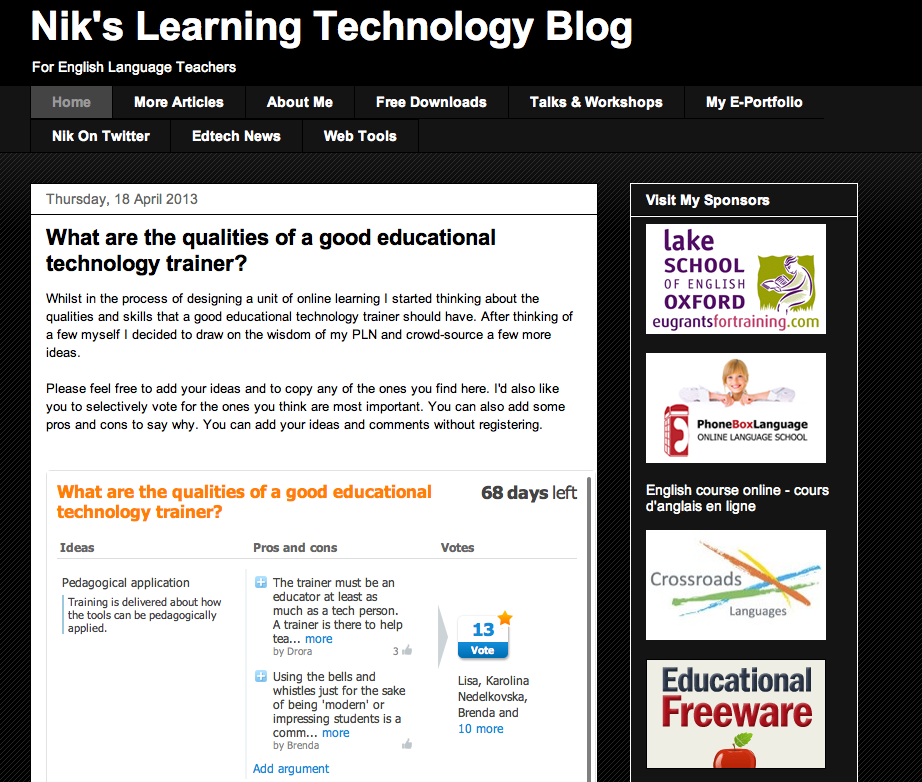
Figure 2. Homepage with an interactive post
The “More Articles” page (see Figure 3) provides a list of articles that have been published on the blog since it was started in 2007. The articles are organized chronologically, with more recent evaluations of resources appearing at the top. All articles reviewed are related to technology integration in teaching and learning.
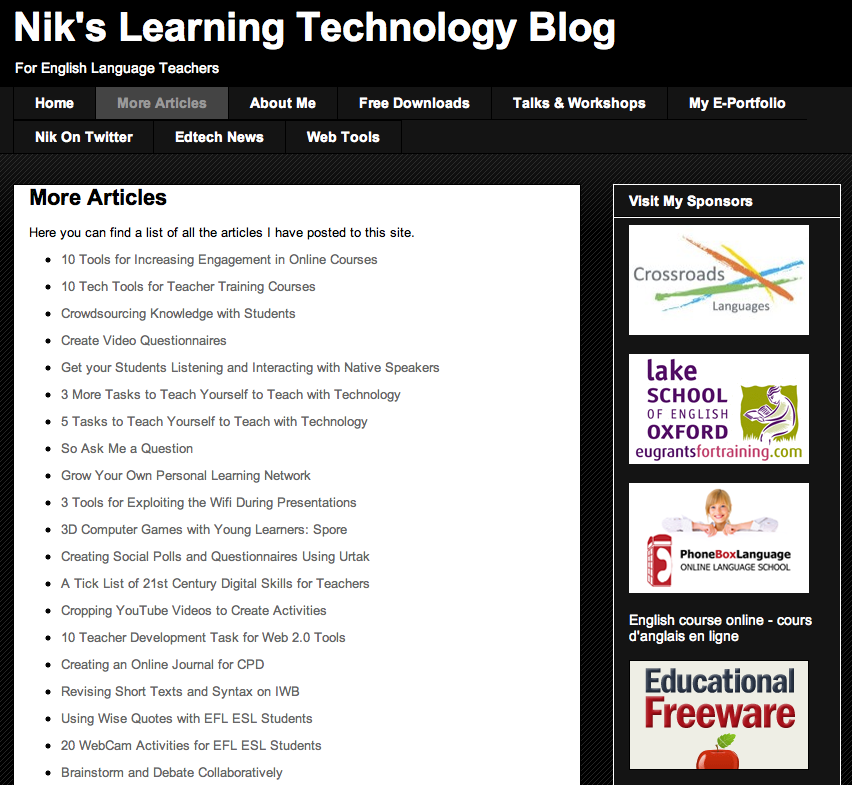
Figure 3. “More Articles” page
On the “Free Downloads” page (see Figure 4), Nik provides his blog followers with the option to download some of his articles and documents free of charge. As stated on this page, the documents are designed to “help teachers teach themselves to use technology” and provide step-by-step picture tutorials on how to use different Web tools.
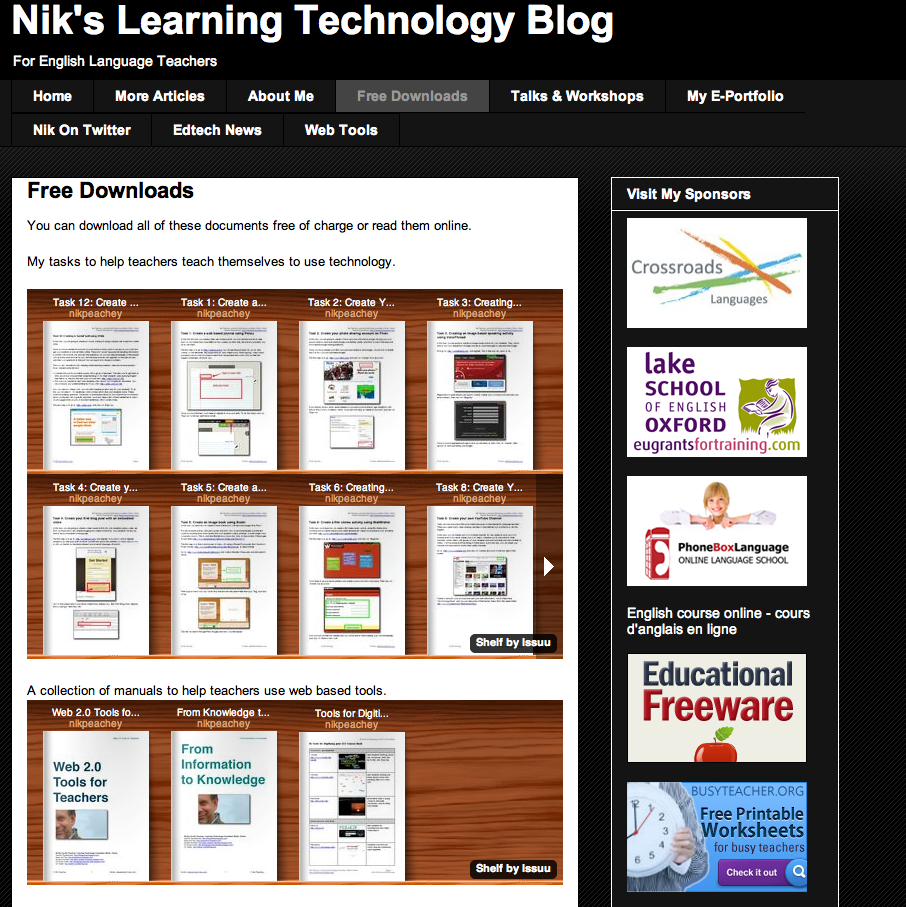
Figure 4. “Free Downloads” page
On the “Talks and Workshops” page (see Figure 5), users have the option to sign up for Nik’s face-to-face or online workshops and conference events where he trains groups of teachers and managers to appropriately use different technology and web tools. Users may sign up to receive newsletters notifying them of upcoming talks and workshops.
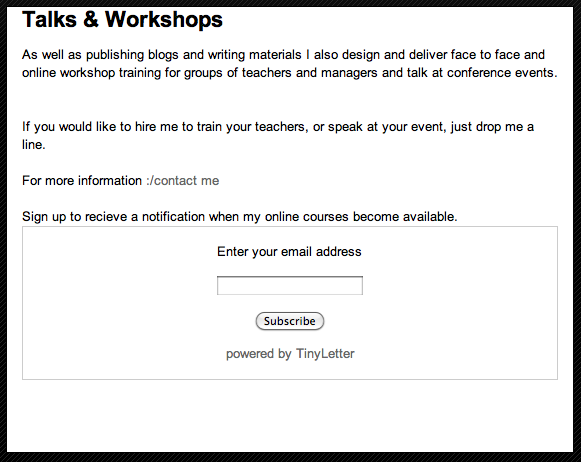
Figure 5. “Talks & Workshops” page
On his “E-Portfolio” page (see Figure 6), Peachey uses a website called Scoop.it to show a collection of his writings on the web, including reviews, tutorials, manuals, and articles. The page also allows users to share and comment on Peachey’s work.
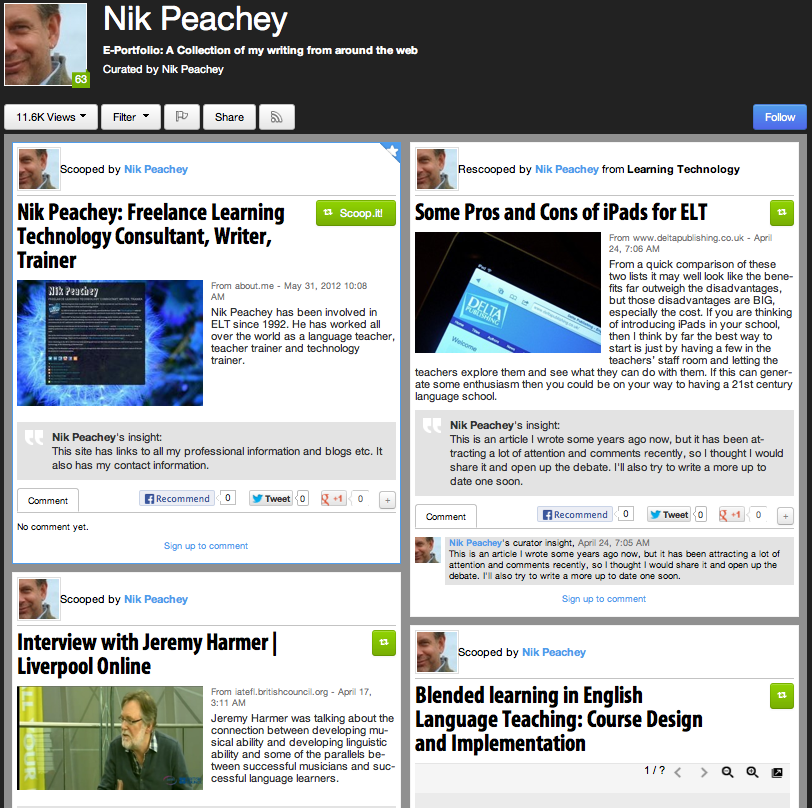
Figure 6. Nik Peachey’s E-Portfolio
The “Edtech News” page (see Figure 7) displays a database of different news and research relating to learning technology on the web. Here users may read, comment on, and share technologies for free. Peachey also provides his own insight and opinions to each of the news selected.
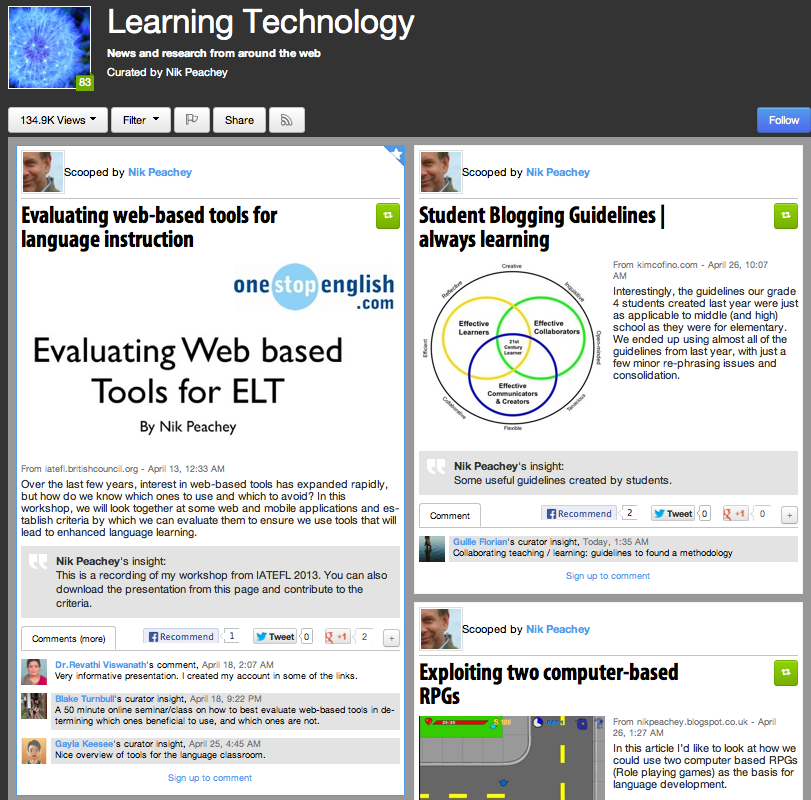
Figure 7. News and research related to technology database
On the “Web Tools” page (see Figure 8), Peachey provides a list of web-based applications to help learners exploit particular educational resources on the web. Each resource is accompanied by his ideas for using the specific web tools in the classroom. Users are encouraged to comment on or share these “scoops.”
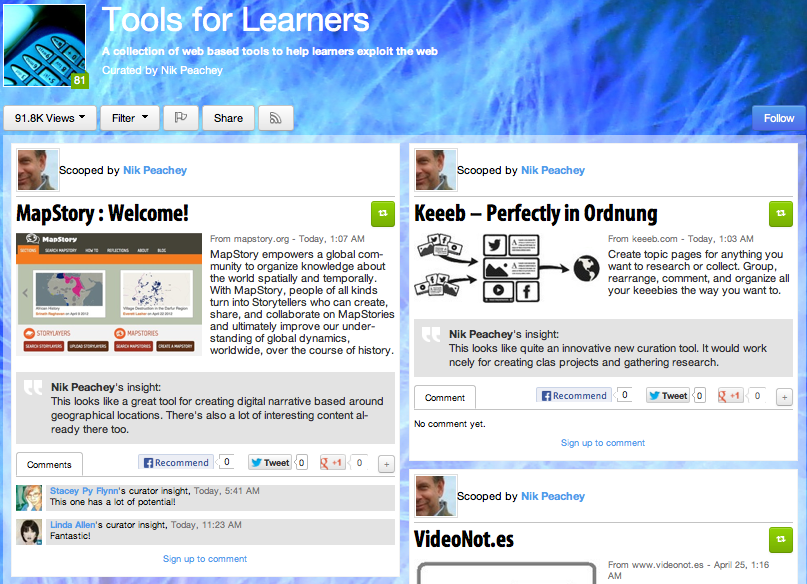
Figure 8. “Tools For Learners” page
Finally, Peachey allows his blog follower to stay connected to his blog through social media by incorporating a plug-in feature located on the bottom right of the home page. Icons for Twitter, Facebook, Email, and Youtube, as well as a search and translate feature, are included.
Evaluation and Applications
According to Crook et al. (2008), there are four central themes that summarize the impact of Web 2.0 application in educational settings: inquiry, collaboration, literacies, and publication (see Figure 9). The authors state, “These four themes define a set of possibilities for the appropriation of Web 2.0 in educational practice” (p. 28, 2008). In this evaluation of Nik’s Learning Technology Blog, we will examine the blog’s appropriateness for teaching and learning English in the light of the four themes suggested by Crook et al. (2008).
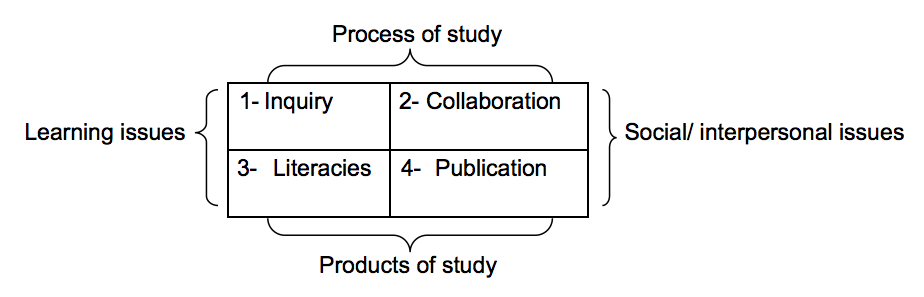
Figure 9. The four central themes surrounding Web 2.0 applications in education (Adapted from Crook et al., 2008)
Inquiry
Nik’s Learning Technology Blog offers a rich space for inquiry by providing a wide range of articles about educational technologies and by introducing and reviewing web tools. Another way the blog motivates users’ inquiry is with the inspiring homepage surveys which invite users to participate. The blogger also introduces interesting authentic topics on the homepage and seeks readers’ interaction and participation through voting. Thus, the blog elicits different insights about the users’ thoughts and interests and encourages the user to be “an independent learner” by “[inviting] new ways for a learner to conduct personal research” (Crook et al., 2008, p. 27).
Literacies
Navigating Nik’s Learning Technology Blog engages the learner in a variety of creative online tools and resources that can be utilized in educational settings. As a form of new literacies, this blog provides various ways of presenting ideas, expressing meanings, and introducing innovative technologies. The blog represents a creative repository for teachers, students, and digital immigrants and digital natives alike. Being rich in digital text, digital artifacts, authentic material, and new internet tools, the blog stimulates considerable growth in the users’ creative exploitation of the internet. Besides exploring the new web tools, surfing Nik’s blog involves users in learning through communication and social practices, thereby joining members in the “discourse” of new literacies by understanding language and its social context (Gee, 1999; Lankshear & Knobel, 2003).
Collaboration
The blog is a sort of social club based on text-based communication, involving identity expression and interaction between users. It allows blog users to communicate with each other and the blogger freely in a friendly and professional environment where they can eventually “learn and build knowledge” (Mcloughlin & Lee, 2007, p. 667). By joining this social club, even users with a more basic background in computer skills can participate and add to the collaborative atmosphere. Users can develop teaching skills and creative approaches to using web resources, as well as share experiences with other teachers and learners.
Publication
Nik’s blog helps its users to be publishers in many ways. First, the blog guides users by giving them a solid understanding of resources that will enable them to “make their work available to the rest of the world” (McLoughlin & Lee, 2007, p. 667). Second, Peachey leads simple, informal interactions with users and he inspires novice writers to choose their publication resources using his reviews of the tools. Third, the blogger motivates users to post their “user-generated content” (Egbert, 2005; McLoughlin & Lee, 2007) and to publish their ideas and comments, which will eventually prepare blog followers to create their own blogs and social networking accounts.
In addition to evaluating this blog using the four criteria suggested by Crook et al. (2008), it is worth noting that it is free, accessible, and simple to use, helpful for both students and teachers, and can be connected to users’ lives and previous learning (Crook, 2008; Egbert, 2005; Peachey, 2009). Finally, to evaluate this blog using the criteria suggested in Peachey’s own blog, his blog is easily learnable and teachable.
Conclusion
To summarize, Nik’s Learning Technology Blog is a very useful, interactive, and authentic resource for English language teachers. Besides the reviews of web tools, users have the option to read, download, share and/or comment on the articles or posts published in the blog. Teachers who are interested in integrating technology into their classroom can teach themselves how to do so by using the freely available resources on this blog.
References
Crook, C., Cummings, J., Fisher, F., Harrison, C., Lewin, C., Logan, K., Luckin, R., Oliver, M. & Sharples, M. (2008.). Web 2.0 technologies for learning: The current landscape – opportunities, challenges and tensions. Becta Report. Retrieved from http://dera.ioe.ac.uk/1474/1/becta_2008_web2_currentlandscape_litrev.pdf
Egbert, J. (2005). CALL essentials: Principles and practice in CALL classrooms. Alexandria, Virginia: Teachers of English for Speakers of Other Languages, Inc.
Gee, J. P. (1999). Introduction to discourse analysis: Theory and method. (2nd Ed.). New York: Routledge.
Gee, J. P., (2010). James Paul Gee on grading with games. [Video file]. Retrieved from http://www.youtube.com/watch?v=JU3pwCD-ey0
Lankshear, C., & Knobel, M. (2003). New literacies: Everyday practices and classroom learning, 2nd Ed. London: Open University Press.
McLoughlin, C., & Lee, M. J. W. (2007). Social software and participatory learning: Extending pedagogical choices with technology affordances in the Web 2.0 era. In R. Atkinson & C. McBeath (Eds.), ICT: Providing choices for learners and learning. Proceedings of the 24th ASCILITE Conference (pp. 664–675). Singapore, December 2–5.
Peachey, N., (2009). Web 2.0 tools for teachers. Retrieved from http://www.scribd.com/doc/19576895/Web-20-Tools-for-Teachers
About the Reviewers
Nadia Nsir <nnsir wsu.edu> is a faculty member at Tripoli University, Libya and currently a doctoral candidate in Language, Literacy and Technology at Washington State University. She is working as an adjunct faculty member at both Spokane Falls Community College and Gonzaga University in Washington State. Her research interests are the role of social media in ELT in Libya and the role of social media in sociopolitical changes in Libya. She is also interested in the critical discourse analysis of Libyan adolescents’ cyberlanguage.
Sarah J. Debbek <sarah.debbekwsu.edu> is an undergraduate student majoring in Digital Technology and Culture as well as Linguistics at Washington State University. She holds a certificate in online course construction. Currently she is working for the Global Campus at Washington State University.
| © Copyright rests with authors. Please cite TESL-EJ appropriately. |